If you’ve ever found yourself questioning the authenticity of a product, you know how crucial it is to have reliable tools at your disposal. Enter the counterfeit pen color chart—a simple yet effective resource for distinguishing real from fake. Whether you’re dealing with currency, designer goods, or any other item where authenticity matters, understanding this handy tool can make all the difference.
Imagine having a streamlined way to assess an item’s legitimacy right in your pocket! In this ultimate guide, we’re diving deep into everything you need to know about counterfeit pen color chart and their vibrant color charts. Let’s unravel the mystery behind these essential tools and discover how they can empower you in today’s world filled with counterfeits. Ready to elevate your knowledge? Let’s get started!
Understanding Counterfeit Pen Color Charts
Counterfeit pen color charts are essential tools for anyone concerned about authenticity. These charts display a range of colors that indicate different results when using a counterfeit pen color chart detection pen on various surfaces.
When the ink from the pen reacts with specific materials, it changes color. Each hue corresponds to an indication—whether it’s real or fake. Understanding these reactions is crucial for reliable assessments.
Typically, a green or blue result suggests authenticity, while shades like pink or brown may signal counterfeit pen color chart. The exact hues can vary by manufacturer, so consulting your specific chart is vital.
By familiarizing yourself with these colors and their meanings, you’ll be better equipped to spot fakes quickly and efficiently in everyday situations. This knowledge empowers consumers and protects against scams that lurk around every corner in today’s market.
How to Use a counterfeit pen color chart
Using a counterfeit pen color chart is straightforward, but it requires some attention to detail. First, ensure the surface you’re testing is clean and dry.

Hold the pen as you would any regular marker. Apply gentle pressure when drawing a line across the bill or document in question. A consistent stroke will help showcase any reactions.
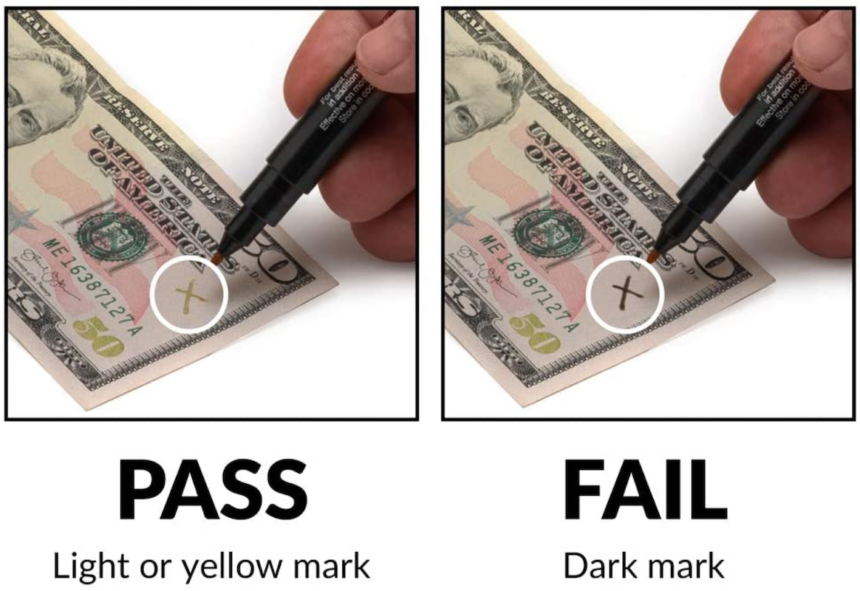
After marking, observe closely. The ink should change color if the item is counterfeit. Most pens utilize a special solution that reacts with certain inks found on genuine currency.
If there’s no color change, your item may be legitimate—but don’t solely rely on this method.
Always cross-reference with other detection methods for accuracy and reliability during verification processes.
The Importance of Using a counterfeit pen color chart
Using a counterfeit pen color chart is essential for anyone handling cash or important documents. It serves as an immediate tool to verify authenticity, providing peace of mind in transactions.
Counterfeit currency can easily circulate, leading to significant losses. A reliable counterfeit pen color chart helps you catch fake bills on the spot, preventing financial headaches later.
Beyond money, these pens play a role in validating identification cards and other official papers. They help safeguard against fraud and ensure compliance with regulations.
In environments where trust matters—like retail stores or banks—having this simple yet effective tool is critical. It’s not just about spotting fakes; it’s about fostering security for both businesses and customers alike.
With counterfeits becoming more sophisticated, relying solely on visual checks isn’t enough anymore. Empower yourself by using a counterfeit pen color chart to stay ahead of deceitful practices.
Different Types of Counterfeit Pens
counterfeit pen color chart come in various types, each designed to detect different forms of forgery. One common type is the UV counterfeit pen. These pens contain ink that reveals hidden security features when exposed to ultraviolet light.
Another popular option is the iodine-based counterfeit pen. This pen reacts with starches found in many cheap papers, turning blue or black if it detects a fake bill. It’s widely used for cash transactions.
There are also multi-functional counterfeit detection pens available on the market. These versatile tools often combine UV light and iodine reactions into one handy device, providing users with multiple methods of verification in a single product.
Some high-tech solutions employ RFID technology to check authenticity through embedded microchips within modern banknotes or ID cards. Each type has its strengths and weaknesses, making it essential to choose wisely based on your specific needs.
Tips for Choosing the Right Counterfeit Pen Color Chart
Choosing the right counterfeit pen color chart can significantly enhance your detection process. Start by selecting a chart that aligns with the most common inks and papers used in counterfeiting.
Look for charts that offer a wide spectrum of colors, including shades often overlooked. This can help you identify subtle differences in ink composition.
Consider the quality of the materials used in printing the color chart. A durable and high-resolution print will provide more accurate comparisons.
Check if the chart includes notes or guidelines on specific features to look for when analyzing currency or documents. This extra information can be invaluable during inspections.
Ensure that your chosen chart is easy to carry and refer to while working. Convenience plays a key role in effective usage when time is of the essence.
Common Mistakes to Avoid When Using a Counterfeit Pen
One common mistake is not testing the pen before use. Always check its functionality on a scrap piece of paper. This ensures you’re aware of how it performs.
Neglecting to understand the ink type can lead to errors as well. Some inks are more sensitive than others and may react differently with certain materials.
Another pitfall is relying solely on color charts without cross-referencing them with real samples. Each counterfeit pen color chartn can vary in shade, so visual confirmation is key.
Failing to store your pens properly can degrade their quality over time. Keep them capped and in a cool place for optimal results.
Rushing through the process often leads to misjudgment or mistakes in application. Take your time for accurate assessments; precision matters greatly when authenticity is at stake.
Conclusion
Using a counterfeit pen color chart can significantly enhance your ability to identify genuine documents. Proper understanding of these tools is essential for anyone involved in authentication processes.
The right pen and an accurate color chart make all the difference. Without them, even seasoned professionals might struggle with discerning authenticity.
Choosing wisely ensures that you’re equipped to tackle various situations, from checking currency to validating important papers.
Remember that practice makes perfect when it comes to using counterfeit pens effectively. Don’t shy away from testing different colors and techniques.
Equipped with knowledge, you’ll be ready to face challenges head-on, ensuring accuracy in every verification task you undertake. Stay informed and keep honing your skills; this field constantly evolves as counterfeiting methods advance.
faqs
When it comes to counterfeit pens, having the right color chart at your disposal can make a significant difference. Understanding how these tools work and their various applications is crucial for effective usage.
Whether you’re verifying currency, documents, or artwork, knowing which pen to use will enhance accuracy in detection. It’s essential to choose a pen that aligns with your needs and an appropriate color chart for reliable results.
Many users often overlook some common mistakes when using counterfeit pens. Familiarizing yourself with best practices can save you time and improve effectiveness.
If you have any lingering questions about counterfeit pens or their application, check out the FAQ section below for more insights:
**FAQs**
1. What is a counterfeit pen?
A counterfeit pen is a tool used to detect fake currency by leaving marks based on the chemical composition of paper.
2. How does a counterfeit pen work?
These pens contain special ink that reacts when applied to paper containing certain elements found in genuine bills.
3. Why should I use a counterfeit pen?
It offers an easy and quick method for identifying potentially fraudulent notes without needing advanced equipment.
4. Are all counterfeiting colors effective?
Not necessarily; different inks may react differently depending on the quality of both the bill and the pen itself.
5. Can I rely solely on a counterfeit pen for verification?
While helpful as an initial test, it’s advisable to combine its use with other methods like UV lights or watermarks for greater accuracy.
6. Where can I find reliable color charts?
Many manufacturers provide detailed charts alongside their products online; ensure they are from reputable sources.
These answers aim to equip you with knowledge regarding the practical aspects of using this valuable tool effectively!